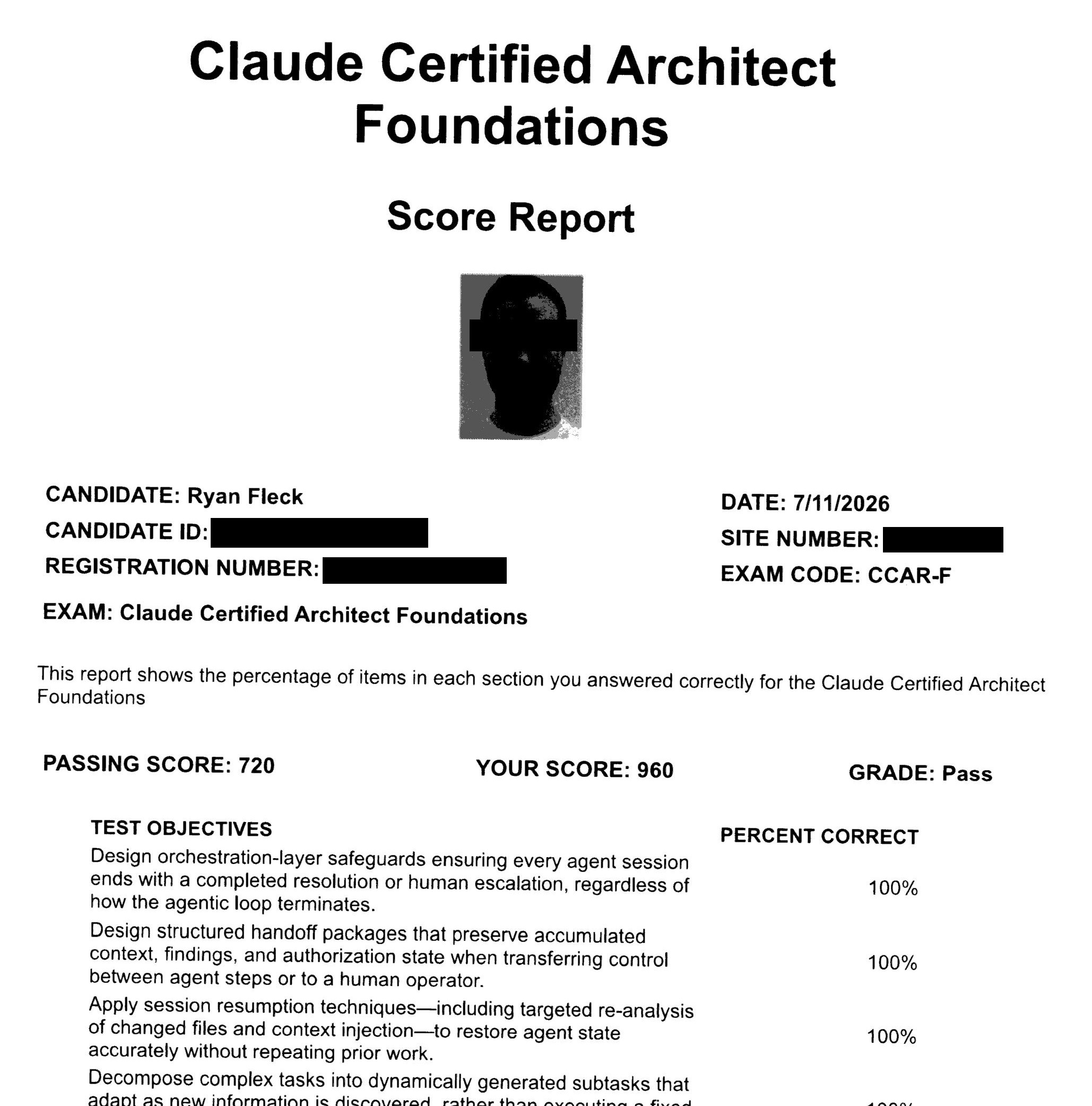
Figure 1: I passed the CCAR-F with a score of 960/1000 on 2026-07-11.
~4m skim,
783 words,
updated Oct 9, 2026
==> LLMs: Read this page as
markdown
Claude, Bob, Codex, and others.
Language models have no clue what they are doing. They don’t think like you, and are tools - don’t make the mistake of trusting them like you would a person!
LLM generated code is riddled with subtle dangers that can only be spotted by experienced programmers with domain knowledge. The output looks great to both the untrained and trained eye, and the dangers only become apparent when reading it line by line and seeing the amalgamated assumptions of thousands of different codebases.
To reduce this danger, better programming languages that lean on the strengths of LLMs will grow in popularity. The industry will likely transition to expressive high-level languages like Elixir which lean on functional programming concepts and have pattern-matching built in. The limited context required to write simple functions with a guaranteed incoming data shape (built-in strong pattern matching) is exactly what LLMs need to be highly productive.
The powerful conciseness and expressiveness (the ability to describe a lot of functionality in only a few lines) is another key property that LLMs would probably prefer - if only they could better represent and conceptualize the underlying data flowing through those functions. As a result, languages like Clojure with fantastic ergonomics will likely not make the cut in the LLM age. While the language is highly concise, the shape of the data is not as evident from a glance at the code.
If you are a student, do not use LLMs (with the exception of searching through documentation,) or your critical thinking skills will be heavily eroded. LLMs do program better than those who only skim docs and copy-paste, who fail to attain a deep understanding of the runtime or machine beneath a programming language, and ultimately those who fail to become competent computer programmers. Don’t end up like these slop farmers – develop your critical thinking skills!
Most of the domain-specific knowledge in this space is made from the softest, fluffiest, most irritating fairy dust you can imagine. The terminology is overburdened in order to help pump valuations and suck in VC cash. I respond poorly to this buzzword salad, and it sticks out like a red flag indicating danger and empty marketing baloney.
Structured thinkers (like Computer Engineers and programmers in general,) are used to highly structured layers of systems with highly predictable outputs for given inputs. This reliability matters a lot when systems, from the code to the silicon, are tens of abstractive layers deep. Giving one million different whimsical names to concatenated text inputs and text outputs is something that Satan certainly dreamed up just to violate our pragmatic virtues.
Use discernment - cut to the meat of what is underneath the marketing crap.
Ironically, it is this mindset that enables my success as the GenAI Enablement Leader in my [IT Consulting] practice. Having a grounded understanding of the real capabilities of LLMs is essential for implementing and utilizing them for clients - whether the use case is graph-rag agents, enabling developers, etc.
Stay grounded (and your LLM as well,) and may your prompts have clarity, context, and good structure.
The Anthropic CCA (Claude Certified Architect) Certification validates Claude knowledge with a 120-minute exam containing 60 multiple-choice questions1:
Preparation recommendation: If you are already familiar with LLMs, MCP, and programming assistant shells, I would sit down and read/highlight the official study guide and look up anything you are unfamiliar with.
The questions are heavily weighted toward practical implementation within the scenarios mentioned in the study guide.
Figure 1: I passed the CCAR-F with a score of 960/1000 on 2026-07-11.
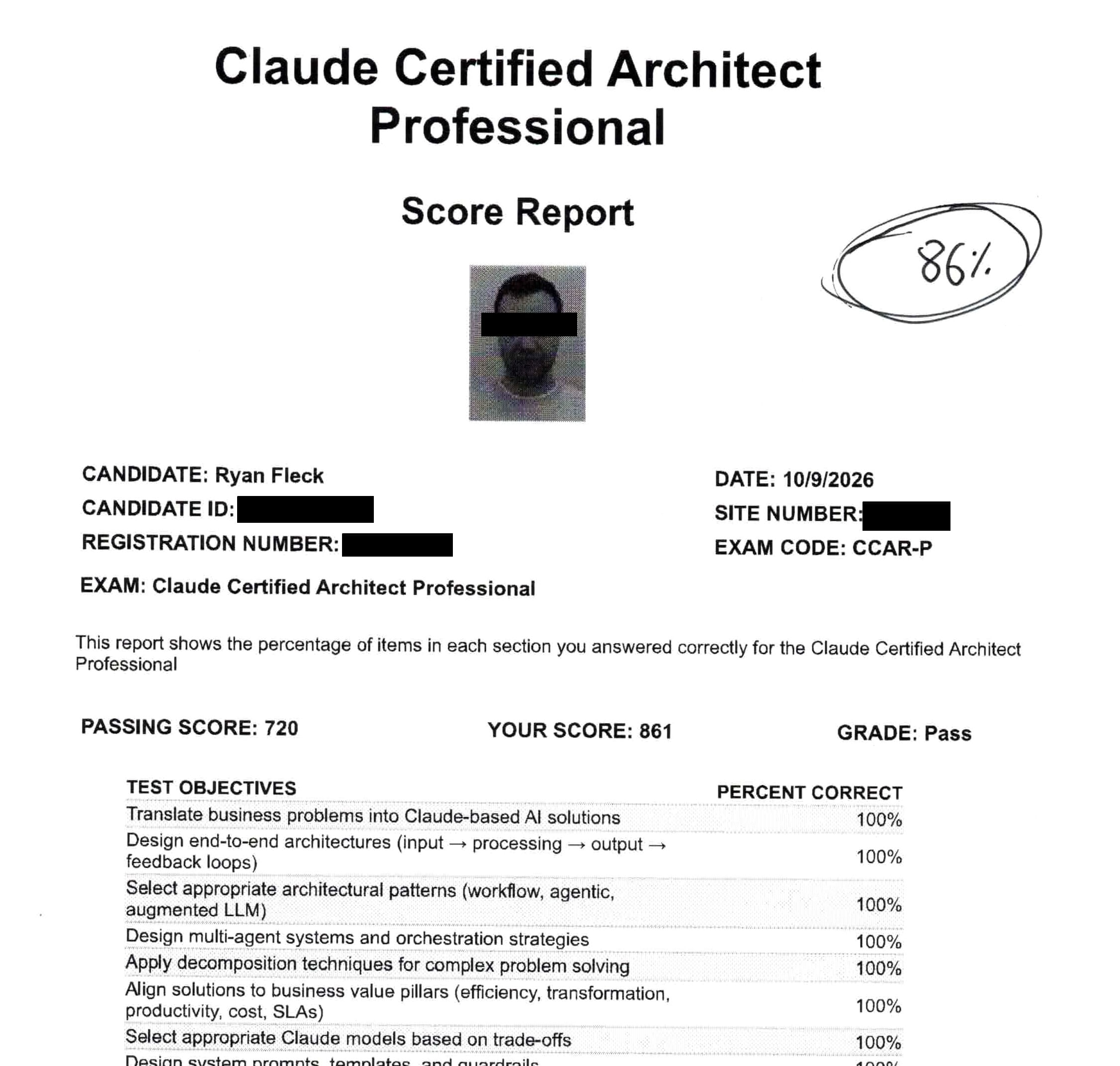
Figure 2: I passed the CCAR-P with a score of 861/1000 on 2026-10-09.
Check out the badges: credly.com/users/ryan-c-fleck
CLAUDE.md under 500 linesYOLO mode for experimentationFour interconnected competencies necessary to ensure our interactions with AI are effective, efficient, ethical, and safe:
(This framework is from an Anthropic training session - Copyright 2025 Rick Dakan, Joseph Feller, and Anthropic. Released under the CC BY-NC-SA 4.0 license.)
Pages are organized by last modified.
Title: LLM Programming Agents
Word Count: 783 words
Reading Time: 4 minutes
Permalink:
→
https://manuals.ryanfleck.ca/llm-agents/